Understanding the Power of a Weight Loss Meal Plan with Fresh Fuel
In the vast landscape of weight loss strategies, the concept of a weight loss meal plan fresh fuel stands out as a beacon for sustainable and healthy results. Far from the restrictive, short-lived diets that often lead to disappointment, embracing "fresh fuel" is about nourishing your body with nutrient-dense, whole foods that provide sustained energy and support metabolic function. It’s a holistic approach that recognizes food not just as calories, but as vital information for your cells, influencing everything from your mood to your ability to burn fat effectively.
Many embark on weight loss journeys only to find themselves constantly hungry, fatigued, or struggling with cravings. This is often a sign that their diet lacks the essential "fresh fuel" their body needs. Processed foods, while convenient, often contain empty calories, unhealthy fats, and refined sugars that spike blood sugar, leading to energy crashes and increased fat storage. In contrast, a meal plan centered around fresh ingredients stabilizes blood sugar, promotes satiety, and provides the necessary vitamins, minerals, and antioxidants to optimize your body's natural fat-burning mechanisms.
The synergy between a well-structured plan and the quality of fresh fuel is undeniable. A plan provides consistency and removes decision fatigue, making it easier to stick to healthy choices. Fresh fuel ensures that every bite contributes positively to your health and weight loss goals, rather than detracting from them. It's about empowering your body to work with you, not against you, in achieving a healthy weight. To truly embark on a successful weight loss journey, understanding the foundational principles of nutrition is key. For a deeper dive into these initial concepts, you might find valuable insights in weight loss meal plan fresh fuel - Article 1.
The Core Components of "Fresh Fuel" for Sustainable Weight Loss
What exactly constitutes "fresh fuel" in the context of a weight loss meal plan fresh fuel? It’s a diverse array of whole, unprocessed foods that work in harmony to support your body's systems, promote satiety, and facilitate fat loss. Building your meal plan around these core components is crucial:
- Lean Proteins: Essential for building and repairing muscle tissue, lean proteins are also incredibly satiating, helping to reduce overall calorie intake. They require more energy to digest, slightly boosting your metabolism. Think grilled chicken breast, fish (like salmon or cod), lean cuts of beef, eggs, tofu, lentils, and beans.
- Complex Carbohydrates: Unlike simple carbohydrates that lead to rapid blood sugar spikes, complex carbs provide sustained energy release, keeping you fuller for longer and preventing cravings. They are also rich in fiber, which aids digestion and supports gut health. Examples include whole grains (quinoa, brown rice, oats), sweet potatoes, and starchy vegetables.
- Healthy Fats: Often mistakenly demonized, healthy fats are vital for hormone production, nutrient absorption, and long-term satiety. They slow down digestion, helping you feel full and satisfied. Incorporate sources like avocados, nuts (almonds, walnuts), seeds (chia, flax, hemp), and olive oil in moderation.
- Abundant Fruits and Vegetables: These are the powerhouses of vitamins, minerals, antioxidants, and fiber, all while being low in calories. They add volume to your meals, making them more satisfying, and their high water content contributes to hydration. Aim for a wide variety of colors to ensure a broad spectrum of nutrients.
- Hydration: While not a food group, adequate water intake is a cornerstone of fresh fuel. Water supports metabolism, aids digestion, helps transport nutrients, and can even help differentiate between hunger and thirst signals.
Balancing these macronutrients and micronutrients ensures your body receives everything it needs to function optimally, preventing nutrient deficiencies that can stall weight loss efforts. Furthermore, practicing mindful portion control even with healthy foods is key to managing calorie intake while still enjoying the benefits of nutrient-rich meals.
Crafting Your Ideal Weight Loss Meal Plan: Practical Steps and Tips
Transitioning to a weight loss meal plan fresh fuel might seem daunting, but with a strategic approach, it becomes an enjoyable and sustainable lifestyle change. Here are practical steps and tips to help you craft your ideal plan:
1. Assess Your Needs and Goals
Before planning, understand your baseline. Consider your current activity level, dietary restrictions (allergies, intolerances), preferences, and realistic calorie goals for weight loss. Consulting with a nutritionist or healthcare professional can provide personalized recommendations and help you determine an appropriate calorie deficit that is safe and effective.
2. Structure Your Meals
Aim for 3 balanced meals and 1-2 healthy snacks per day. Each meal should ideally include a lean protein, complex carbohydrate, healthy fat, and a generous serving of vegetables. For example:
- Breakfast: Oatmeal with berries, nuts, and a scoop of protein powder, or scrambled eggs with spinach and whole-grain toast.
- Lunch: Large salad with grilled chicken or chickpeas, mixed greens, an array of colorful vegetables, and an olive oil vinaigrette.
- Dinner: Baked salmon with quinoa and steamed broccoli, or lentil soup with a side salad.
- Snacks: Apple slices with almond butter, Greek yogurt with a few berries, or a handful of unsalted nuts.
3. Master Meal Preparation
Preparation is the secret weapon for sticking to any fresh fuel plan. Dedicate time once or twice a week (e.g., Sunday afternoon) for "meal prepping":
- Batch Cook: Cook larger quantities of protein (chicken, ground turkey), grains (quinoa, brown rice), and roasted vegetables.
- Pre-Chop: Wash and chop vegetables for salads, stir-fries, or snacks.
- Portion Out: Divide meals into individual containers for grab-and-go convenience during the week.
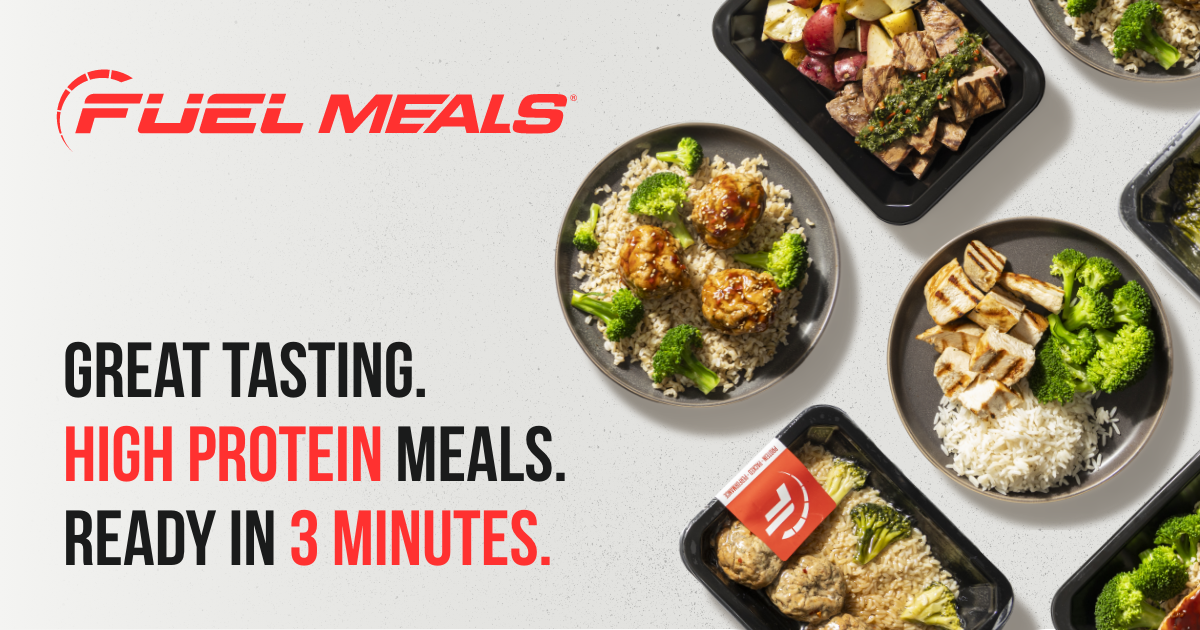
For those with demanding schedules, services that offer a weight loss meal plan fresh fuel option can be a game-changer, eliminating the guesswork and prep work. They deliver pre-portioned, nutritious meals directly to your door, making healthy eating effortless.
4. Smart Grocery Shopping
Focus on the perimeter of the grocery store where fresh produce, lean meats, and dairy are typically located. Create a list based on your meal plan to avoid impulsive, unhealthy purchases. Choose seasonal fruits and vegetables for better flavor and cost-effectiveness.
5. Practice Mindful Eating
Eat slowly, savor each bite, and pay attention to your body's hunger and fullness cues. Avoid distractions like screens during meals. This helps prevent overeating and allows your body to register satiety properly.
Beyond the Plate: The Lifestyle Benefits of Fresh Fuel for Weight Loss
The impact of adopting a weight loss meal plan fresh fuel extends far beyond just shedding pounds. It's a holistic investment in your overall well-being, leading to a cascade of positive lifestyle benefits that enhance your quality of life.
- Increased Energy Levels: When your body is consistently fueled with nutrient-rich foods, you'll experience fewer energy crashes and more sustained vitality throughout the day. This translates to better performance in workouts, increased productivity, and a greater capacity for daily activities without feeling drained.
- Improved Mood and Mental Clarity: The brain relies heavily on a steady supply of nutrients and stable blood sugar levels. Fresh fuel provides these, which can lead to improved concentration, reduced brain fog, and a more balanced mood. Studies increasingly link gut health (supported by fiber-rich fresh foods) to mental well-being.
- Better Sleep Quality: A balanced diet can positively influence sleep patterns. By avoiding processed foods high in sugar and unhealthy fats, and opting for foods that promote stable blood sugar, you can reduce nighttime disturbances and enjoy more restorative sleep.
- Enhanced Immune Function: The vitamins, minerals, and antioxidants abundant in fresh fruits, vegetables, and whole grains fortify your immune system, making your body more resilient against illnesses and infections.
- Long-Term Health and Disease Prevention: Consistently consuming fresh fuel significantly reduces the risk of developing chronic diseases such as type 2 diabetes, heart disease, certain cancers, and obesity-related conditions. It's a preventative measure that pays dividends for decades.
- Sustainable Habits: Unlike restrictive diets that are difficult to maintain, a fresh fuel approach emphasizes balance and nourishment, making it easier to adopt as a permanent lifestyle. This fosters healthy habits that support long-term weight management and overall health, rather than just temporary results.
Embracing a fresh fuel lifestyle is about empowering yourself with the best possible nutrition, leading to a healthier, happier, and more energetic you. The journey to sustainable weight loss is ongoing, and building healthy habits is paramount. For further guidance on maintaining momentum and tackling common challenges, be sure to explore weight loss meal plan fresh fuel - Article 3.
Conclusion
A weight loss meal plan fresh fuel is more than just a diet; it's a commitment to nurturing your body with the highest quality nourishment. By prioritizing whole, unprocessed foods like lean proteins, complex carbohydrates, healthy fats, and an abundance of fruits and vegetables, you equip your body with the tools it needs to shed excess weight, boost metabolism, and thrive. The benefits extend beyond the scale, encompassing increased energy, improved mood, better sleep, and robust long-term health. Whether you choose to meticulously plan and prep your meals or leverage convenient services that deliver fresh, healthy options, embracing the power of fresh fuel is a pivotal step towards achieving sustainable weight loss and a vibrant, healthier life.
